
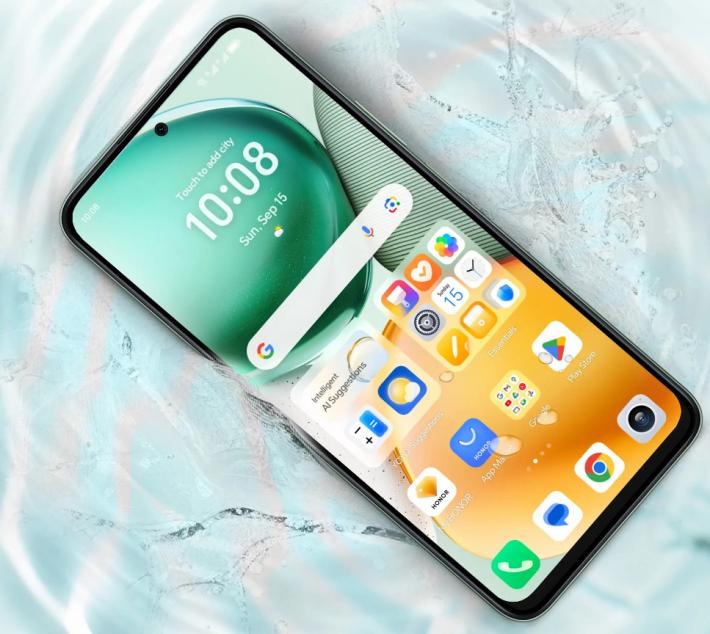
In today’s tech-driven world, smartphone displays are one of the most important features that can make or break the user experience. One critical factor in display performance, especially in regions like the UAE where the sun is consistently intense, is brightness. Smartphones with higher nit ratings—like the HONOR X7c 5G in UAE—are often marketed as being able to offer better visibility in bright conditions. But how does an 850-nit screen actually hold up against the harsh UAE sun, where the temperatures can soar well above 40°C (104°F)? In this article, we will break down the technology behind a smartphone display rated at 850 nits, and how it compares to the extreme sunlight and weather conditions typical of the UAE. By the end of this read, you’ll understand whether the HONOR X7C 5G, with its impressive 850-nit screen, can live up to the expectations set by both tech enthusiasts and UAE residents alike.
What is a Nit?
To understand why brightness is such an essential feature for a smartphone, let’s first define the term nit. A "nit" is a unit of measurement used to describe the brightness of a display. More nits mean a brighter screen. For typical indoor use, a display may only need 300-500 nits. However, if you’re frequently outdoors in bright sunlight, especially in regions like the UAE, a higher nit rating is crucial to maintain screen visibility. Most modern smartphones today feature displays ranging from 400 to 800 nits. Devices designed with outdoor usability in mind, such as those meant for professionals working in direct sunlight, may come with displays offering up to 1000 nits or even higher. The HONOR X7C 5G, with its 850-nit peak brightness, falls into the mid-range, but it’s important to evaluate how it stacks up against the unforgiving UAE sun.
The UAE Sun: A Challenge for Smartphone Displays
The UAE is known for its blistering heat, especially during the summer months. Temperatures can easily climb into the 40s and 50s Celsius (104°F to 122°F). On top of this, the country’s abundant sunlight can be intense, with long daylight hours during the peak summer season. For someone using their smartphone outdoors, this means that glare, reflections, and reduced visibility are inevitable challenges. In these extreme conditions, displays need to be bright enough to overcome these issues. Not only does a bright display help in reducing glare, but it also ensures that users can read text, watch videos, and use their phones for other tasks without straining their eyes. However, the screen must also be able to handle the heat, since excessive temperatures can damage the components of the phone and cause the display to behave erratically.
How an 850-Nit Display Measures Up
Real-World Performance in the UAE Sun
When testing the HONOR X7c 5G in UAE outdoors under the UAE sun, users will find that the 850-nit brightness allows for reasonable visibility in direct sunlight, but there are a few caveats. While you may not get the same level of clarity as you would indoors or under a shaded area, the screen’s brightness ensures that you can still read texts, view images, and navigate apps with relative ease. However, it’s important to note that reflections and glare may still be a problem if the screen is not angled correctly. Users who regularly spend time outdoors in the UAE will appreciate the fact that the HONOR X7C 5G’s screen brightness helps reduce strain in bright sunlight. You might not get the crystal-clear view that a higher-end display with 1000 nits would offer, but for the average user, 850 nits is more than adequate to get the job done without too much frustration.
Automatic Brightness Adjustment
One key feature that plays a significant role in enhancing screen visibility in bright conditions is an automatic brightness adjustment system. The HONOR X7C 5G comes with a smart adaptive brightness feature that adjusts the screen’s brightness based on the ambient light. This ensures that the display remains bright enough for outdoor usage but is not excessively bright when used indoors, which helps save battery life. This automatic adjustment is particularly helpful in dynamic lighting conditions, such as walking from a shaded area into direct sunlight, or when the sun begins to set. The HONOR X7C 5G’s intelligent system ensures that you always get the optimal screen brightness without needing to manually adjust it each time.

Other Factors Impacting Display Visibility
Screen Coating
The type of coating on the screen can help reduce glare and reflections. The HONOR X7C 5G likely has an anti-glare coating, which is important for enhancing the visibility of the screen under harsh sunlight.
Screen Resolution and Contrast
A high resolution and a sharp contrast ratio also contribute to screen clarity. The HONOR X7C 5G offers an impressive resolution that, when paired with its 850-nit brightness, helps to provide a crisp, clear display under normal lighting conditions.
Display Technology
OLED or AMOLED displays tend to perform better in bright conditions because their pixels emit their own light. The HONOR X7C 5G features an LCD display, which might not be as vibrant in extreme brightness situations as OLED but still provides good visibility for most users.
Conclusion
In conclusion, the 850-nit display of the HONOR X7C 5G offers a strong performance in the UAE sun, allowing users to comfortably engage with their phones outdoors. While it may not rival the brightest displays on the market, it’s more than capable of handling everyday tasks under direct sunlight. With its adaptive brightness system and overall solid build, the HONOR X7C 5G offers a well-rounded experience that should suit the needs of most users in the UAE, whether they’re checking messages on a sunny street or navigating on a hot desert drive. For those who prioritize visibility in extreme conditions, it’s worth considering higher-end devices with even more powerful screens. However, for the average smartphone user, the HONOR X7C 5G strikes a great balance between performance, affordability, and usability under the harsh UAE sun.