
Mindfulness feels easier to sustain when it blends with real routines rather than becoming a separate task. A smartphone helps you build this connection by turning small moments into anchors for awareness. It supports breathing, focus, reflection, and emotional clarity without disrupting your day. You can check in with yourself between activities, pause during stressful transitions, and use the device to guide your senses toward calm. The phone becomes a quiet partner that reminds you to slow down, observe, and reconnect with the present. When used intentionally, it encourages steady habits that strengthen your inner balance and make mindful living feel natural.

Using Daily Interactions to Support Mindful Presence
Turning On-Screen Reminders Into Gentle Mindful Cues
You can create simple reminders that appear at times when your attention usually drifts. Each cue invites you to check your breath, relax your shoulders, or observe your thoughts for a few seconds. These prompts interrupt the rush of routine and help you transition into a calmer mindset. They work well because they surface during everyday actions, such as checking messages or preparing to make a call. Over time, your body becomes familiar with these micro-pauses. You start noticing how fast your thoughts move or how tension builds in your neck before you even open an app. These moments create a steady rhythm that softens stress and keeps you connected to yourself.
Using Sound and Quiet to Establish a Focused Inner Space
A smartphone allows you to shape your sensory environment with intention. Soft sounds, gentle tones, or minimalist audio loops support focus during breathing or reflection. They reduce small distractions without overwhelming your mind. You can also create purposeful silence by activating modes that mute non-essential alerts. This combination—curated sound and intentional quiet—helps you enter a state where your thoughts settle and your attention feels steady. Many people find that this simple mix creates a pocket of calm even in busy settings. You are not escaping your surroundings; you are guiding your senses toward balance so you can respond instead of react.
Building Micro-Rituals Around Daily Transitions
Mindfulness grows stronger through repetition, and smartphones simplify this repetition. You can add small widgets, notes, or calming visuals that greet you each time you unlock the screen. These tools remind you to pause during the natural transitions of your day. Waiting for a meeting, standing in line, or sitting down after a long walk becomes a chance to reconnect with your breath. With regular use, these micro-rituals shift your mindset. You begin to treat ordinary moments as invitations for grounding rather than empty gaps. This steady integration makes mindfulness practical and deeply personal.
Strengthening Emotional Awareness Through Digital Tools
Capturing Thoughts the Moment They Arise
Writing down your thoughts in real time increases honesty and emotional precision. A phone makes this easy because it is always with you. When a feeling surfaces—stress, excitement, confusion—you can record it before it fades or becomes distorted by memory. These quick reflections add up. As you review them, you begin to see patterns in your reactions and triggers. You understand what drains your energy and what restores it. This awareness becomes a foundation for mindful decision-making. You respond to your emotions with more calm because you recognize them sooner. The phone becomes a supportive extension of your inner voice.
Regulating the Body With Visual or Breathing Guides
Mindfulness often begins with steady breathing. Your phone can guide you with gentle visuals, rhythmic tones, or soft pulses that signal when to inhale and exhale. These tools help you calm your body in a predictable way. You might use them before a presentation, during a stressful afternoon, or while unwinding before bed. Some people respond well to visual cues that expand and contract like a lung; others prefer quiet sound loops that keep their breath smooth. Whichever method you choose, your phone provides structure without pressure. Even brief sessions help your nervous system settle. As these exercises become familiar, your body shifts into calm more quickly and naturally.
Creating Supportive Routines That Fit Your Lifestyle
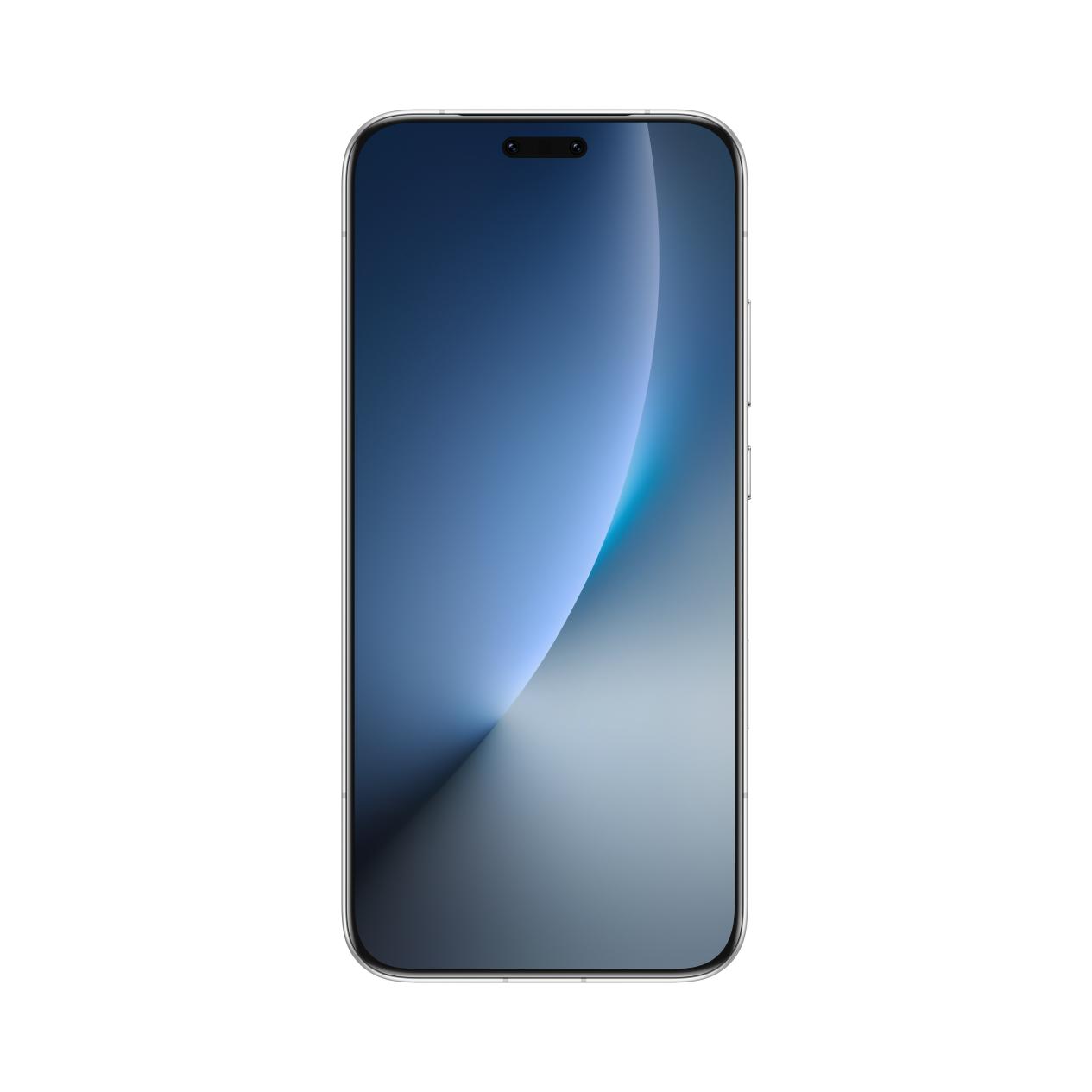
Mindfulness thrives when it adapts to real life. A smartphone allows you to create routines that feel supportive rather than strict. You can schedule morning reflections, midday breathing breaks, and evening gratitude checks. Each one reinforces awareness without feeling demanding. You stay consistent because the structure meets you where you are. A flexible system keeps you grounded even on days when plans change. The device becomes a quiet companion, whether you want a longer session or a quick reset. Through repeated use, mindfulness becomes part of your identity instead of a task you need to complete. Many users appreciate how the HONOR Magic8 Pro 5G phone supports this flow with its steady performance, making mindful check-ins feel natural during both short and extended moments.
Conclusion
A smartphone enhances mindfulness by offering structure, prompts, and sensory tools that fit effortlessly into daily routines. It guides you to pause when your attention drifts, helps you understand your emotions through reflection, and supports steady breathing when your body needs calm. By using the device with intention, you turn ordinary moments into mindful touchpoints that bring clarity, balance, and presence. These small actions accumulate, creating a lifestyle rooted in awareness rather than pressure. A smartphone becomes the quiet partner that strengthens your practice, helping you move through your day with more focus, gentleness, and emotional steadiness.